Balancing Hormones Naturally: DIM & Vitex Support
Balancing Hormones Naturally: How DIM and Vitex May Support Estrogen and Progesterone Balance

Understanding Your Hormones and Finding Balance
Hormones influence many aspects of a woman’s health, from menstrual cycles and fertility to mood, energy, skin health and overall wellbeing. Estrogen and progesterone work together to support these important functions, but changes in hormone levels can sometimes contribute to symptoms such as PMS, irregular cycles, mood changes, hormonal acne, bloating or challenges during perimenopause.
While hormonal fluctuations are a natural part of life, many women look for ways to support their bodies through nutrition, lifestyle habits, and natural approaches. Two commonly discussed compounds are DIM (Diindolylmethane) and Vitex (Chasteberry), which may support healthy estrogen metabolism and hormone regulation.

The Importance of Estrogen and Progesterone Balance
Estrogen and progesterone work together to maintain a healthy menstrual cycle and support overall wellbeing. When these hormones are not in balance, some women may experience symptoms including:
Increased PMS symptoms
Breast tenderness
Mood fluctuations
Water retention
Hormonal breakouts
Changes in menstrual patterns
Changes in progesterone levels may also affect sleep, mood and cycle regularity, especially during times of hormonal transition such as perimenopause.
Supporting hormone health involves looking at the whole picture, including nutrition, stress management, movement, sleep quality, and individual health needs.
What Is DIM?

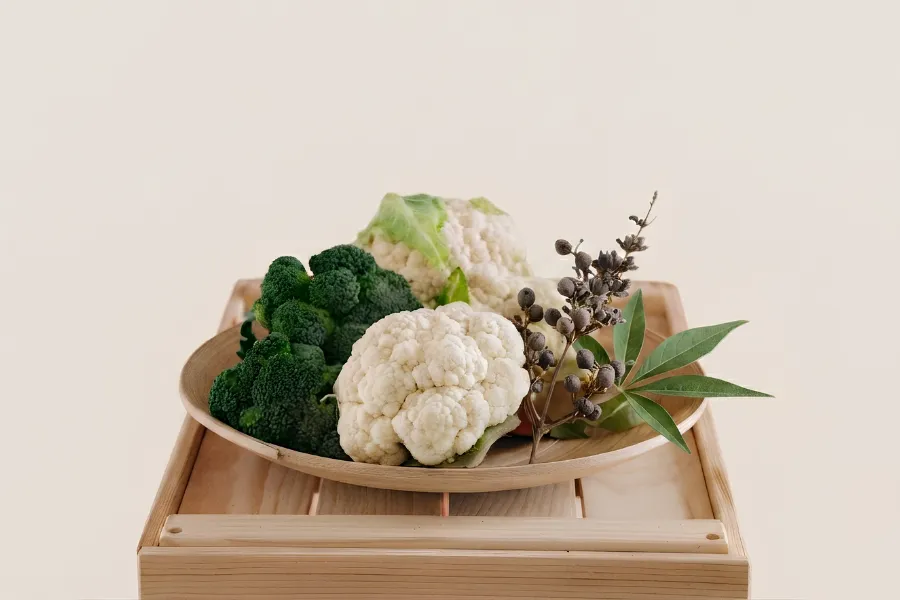
DIM, or Diindolylmethane, is a natural compound produced when the body digests cruciferous vegetables such as broccoli, cauliflower, cabbage, and Brussels sprouts.
DIM is commonly used to support healthy estrogen metabolism. Rather than adding hormones to the body, it helps support the body’s natural processes for managing estrogen.
Some women include DIM in their wellness routine to support:
Healthy estrogen balance
Hormonal skin health
PMS symptom management
Overall hormone wellness during periods of change
Research into DIM is ongoing, and its effects may vary depending on individual health factors.
What Is Vitex (Chasteberry)?

Vitex agnus-castus, commonly known as Chasteberry, is a traditional herbal supplement used to support women’s reproductive health.
Unlike hormone replacement therapies, Vitex does not provide hormones directly. Instead, it supports communication between the brain and reproductive system, particularly through the pituitary gland. This may help support healthy menstrual cycles and progesterone production in some women.
Vitex is commonly used by women looking to support:
PMS symptoms
Menstrual cycle regularity
Breast tenderness
Hormonal changes throughout different life stages
However, Vitex may not be suitable for everyone. Women who are pregnant, breastfeeding, taking hormone medications, or managing hormone-sensitive conditions should seek professional advice before use.
Supporting Your Hormones Naturally
Hormonal wellbeing is influenced by many factors, and supplements are only one part of a healthy lifestyle. Supporting your hormones may include:
Eating a balanced, nutrient-rich diet
Prioritising quality sleep
Managing stress levels
Staying physically active
Supporting gut health and overall wellbeing
For some women, supplements such as DIM and Vitex may provide additional support when combined with healthy lifestyle practices.
A Personal Approach to Hormone Health
Every woman’s hormonal journey is unique. Similar symptoms can have different underlying causes, which is why a personalised approach is important.
DIM and Vitex may be helpful tools for some women seeking natural hormone support, but they are not a one-size-fits-all solution. Understanding your body, tracking changes, and working with a qualified healthcare professional can help you make informed decisions about your wellbeing.
Supporting your hormones is about creating balance, listening to your body, and giving yourself the support you need through every stage of life.